
Addiction Recovery
What to Expect in the First Week of Rehab
Deciding to enter rehab can bring a lot of emotions at once. You may know getting help is the right step but still wonder what the first few days will

Deciding to enter rehab can bring a lot of emotions at once. You may know getting help is the right step but still wonder what the first few days will
Deciding to get help for drug or alcohol addiction takes real courage. If you have reached that point, or you are getting close, you should feel proud of that step.

Cross-Addiction: Understanding the Cycle of Trading One Addiction for Another At Carolina Recovery in Durham, North Carolina, we provide professional care for drug addiction, alcohol addiction, and substance use disorder.

Understanding Addiction Relapse and How to Respond Addiction relapse is one of the most challenging parts of recovery. It can feel like failure, but it is not. In fact, a
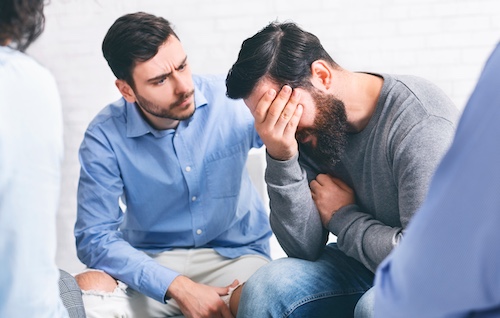
Force Someone Into Rehab in North Carolina: What Families Need to Know Watching a loved one struggle with drug abuse or alcohol addiction is one of the hardest experiences a
Borderline Personality Disorder and Addiction: Why Treating Both Together Changes Everything Borderline personality disorder and addiction rarely travel alone. For the thousands of people living with both conditions, intense emotions,

Postpartum Depression and Addiction: Understanding Dual Diagnosis at Carolina Recovery Postpartum depression and substance use often appear together after childbirth and create serious health risks for new mothers. Many women

When Anxiety and Addiction Collide: How Carolina Recovery Can Help For many people, anxiety and addiction do not arrive separately. One condition fuels the other, creating a cycle that grows
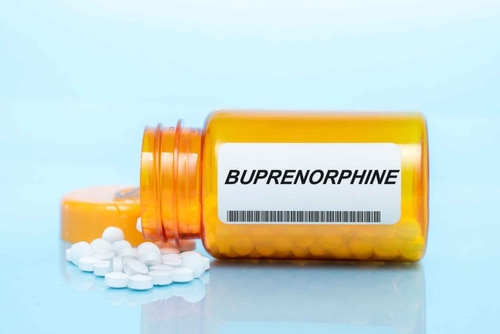
If you or someone you love is struggling with opioid addiction, you already know how hard it can be. The cravings, the withdrawal, and the feeling that things will never
Medication-Assisted Treatment Program: How Carolina Recovery Helps Patients Overcome Opioid Addiction Opioid addiction affects millions of Americans, tearing apart families and cutting lives short. For those caught in the cycle

You’re Struggling—and You’re Wondering If It’s Time for Help At some point, many men reach a moment where they begin questioning whether substance use has taken too much control over

Women’s Addiction Treatment Program at Carolina Recovery: Because Your Story Deserves More Than a Generic Solution Every woman’s journey into addiction is shaped by her own story, her own pain,
