
Medication-Assisted Treatment Program: How Carolina Recovery Helps Patients Overcome Opioid Addiction
Opioid addiction affects millions of Americans, tearing apart families and cutting lives short. For those caught in the cycle of opioid use disorder, finding a way out can feel impossible. Carolina Recovery has spent decades standing in that gap, providing evidence-based care that gives patients a real, lasting path to recovery. Our medication-assisted treatment (MAT) program combines FDA-approved medications with behavioral therapy, mental health support, and long-term aftercare to treat opioid use disorder from every angle.
Patients across North Carolina and Greenville, SC, trust Carolina Recovery because we treat the whole person, not just the symptoms. In this guide, we break down exactly how our MAT program works, which medications we use, and why this approach delivers results that other treatments cannot match.
What Is Medication-Assisted Treatment (MAT) and Why Does It Matter for Opioid Use Disorder?
Opioid use disorder is a complex medical condition, and medication-assisted treatment (MAT) offers one of the most effective paths to lasting recovery.
Defining Medication-Assisted Treatment
Medication-assisted treatment combines FDA-approved medications with counseling, behavioral therapy, and support groups. The three primary medications used in MAT are methadone, buprenorphine, and naltrexone. Together, these tools address opioid addiction at both the physical and psychological levels.
How MAT Works in the Brain
Opioid drugs bind to opioid receptors in the brain, creating dependence and powerful cravings. MAT medications work directly on those same opioid receptors to reduce withdrawal symptoms, block opioid effects, and lower opioid cravings. This allows patients to focus on recovery without the constant pull of physical dependence.
Why MAT Is the Gold Standard for OUD Treatment
MAT is endorsed by the Substance Abuse and Mental Health Services Administration (SAMHSA), the Centers for Disease Control (CDC), and the National Institute on Drug Abuse (NIDA). Research shows MAT reduces opioid overdose deaths by up to 50% and significantly lowers relapse rates compared to detox-only approaches. No other treatment for opioid use disorder has matched these outcomes consistently.
Who MAT Helps at Carolina Recovery
Carolina Recovery’s MAT program serves adults struggling with opioid addiction, prescription opioid misuse, heroin, fentanyl, and chronic pain. The program is available on an outpatient basis across North Carolina and Greenville, SC. Care is personalized, stigma-free, and built around each patient’s needs.
How Carolina Recovery’s MAT Program Works: Step-by-Step
Carolina Recovery’s medication-assisted treatment program follows a clear, structured process designed to support each patient from first contact through long-term recovery.
Step 1: Assessment and Individualized Planning
Every patient begins with a comprehensive intake evaluation. Carolina Recovery’s healthcare practitioners assess opioid dependence, withdrawal symptoms, mental health, substance use history, and any co-occurring conditions such as alcohol use disorder or chronic pain. From there, a personalized treatment plan is created that outlines the right medication, therapy type, and support resources for each individual.
Step 2: Medication Induction and Management
Once a treatment plan is in place, patients are introduced to one of three FDA-approved medications: methadone, buprenorphine, or naltrexone. A medical team carefully manages the starting dose and adjusts it over time to control withdrawal symptoms, reduce opioid cravings, and minimize risk. Dosing may be daily, weekly, or extended-release depending on the medication and the patient’s progress.
Step 3: Behavioral Therapy and Counseling
Medication alone is not the full picture. Patients participate in individual counseling and behavioral therapy using evidence-based approaches such as Cognitive Behavioral Therapy (CBT) and Motivational Interviewing (MI). Group therapy and support groups provide peer accountability, skill-building, and shared experience throughout the recovery process.
Step 4: Long-Term Maintenance and Aftercare
Carolina Recovery focuses on long-term stability, not just short-term results. Maintenance treatment continues for as long as medically appropriate, with no automatic discharge for relapse. Aftercare planning includes ongoing therapy, support group participation, relapse prevention strategies, and coordination with mental health and human services when needed.
Key Medications Used in MAT: How They Target Opioid Receptors
Carolina Recovery uses three FDA-approved medications in its MAT program, each working differently on opioid receptors to support recovery from opioid use disorder.
Methadone: Full Opioid Agonist
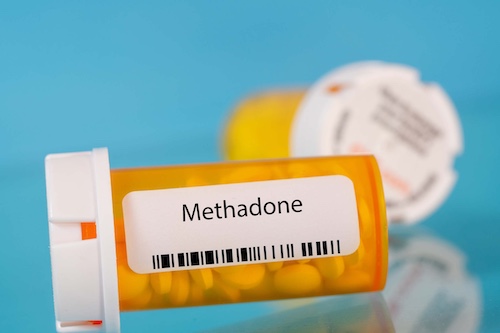
Methadone is a full opioid agonist, meaning it activates opioid receptors in the brain to stabilize brain chemistry and prevent withdrawal symptoms. It is one of the longest-used and most studied medications in opioid addiction treatment. Methadone is particularly effective for patients with severe opioid use disorder and is dispensed through certified opioid treatment programs under medical supervision.
Buprenorphine: Partial Opioid Agonist
Buprenorphine is a partial opioid agonist that binds tightly to opioid receptors, reducing withdrawal symptoms and opioid cravings without producing the same effects as other opioids. Common formulations include Suboxone and Sublocade. Because healthcare practitioners can prescribe buprenorphine in an outpatient setting, it offers greater accessibility and a lower risk of opioid misuse compared to methadone.
Naltrexone: Opioid Receptor Antagonist
Naltrexone is an opioid receptor antagonist that works by completely blocking opioid receptors, preventing opioid drugs from producing any euphoric effects. It is non-addictive and carries no risk of physical dependence. Available as an extended-release injection under the brand name Vivitrol, naltrexone is best suited for patients who have already completed detox and are committed to maintaining sobriety.
Choosing the Right Medication at Carolina Recovery
Carolina Recovery’s medical team evaluates each patient’s substance use history, degree of physical dependence, and overall health before recommending a medication. All three options are FDA-approved and endorsed by major public health authorities, including SAMHSA and the CDC. The goal is to match every patient with the medication that gives them the strongest foundation for lasting recovery.
Integrating Mental Health and Holistic Support
Carolina Recovery believes that treating opioid use disorder means treating the whole person, not just the addiction.
Dual-Diagnosis Care for Substance Abuse and Mental Health
Many patients entering Carolina Recovery’s MAT program carry more than one diagnosis. Substance use disorder and mental health conditions such as depression, anxiety, and trauma frequently occur together. Carolina Recovery’s clinical team is trained to identify and treat both simultaneously, ensuring that mental health never takes a back seat to addiction treatment.
Access to Mental Health Professionals
Carolina Recovery provides direct access to licensed mental health professionals as a core part of the MAT program. Patients work with counselors and therapists who understand the connection between mental health and opioid use disorder. At Carolina Recovery, mental health support is not an afterthought; it is built into every stage of treatment.
Peer Support and Group Therapy
Carolina Recovery’s group therapy and support groups give patients a space to connect with others who understand their experience. Peer support is a proven factor in long-term recovery from substance use disorder. Carolina Recovery fosters a community where patients hold each other accountable and build the social skills needed for life beyond addiction.
Coordinated Human Services and Social Support
Recovery extends beyond the walls of a clinic. Carolina Recovery coordinates with human services providers to connect patients with resources for housing, employment, and overall wellness. Addressing these social factors is a key part of what separates Carolina Recovery’s MAT program from standard addiction treatment programs.
Whole-Person Recovery at Carolina Recovery
Carolina Recovery’s integrated approach combines medical care, behavioral therapy, mental health services, and social support into one cohesive treatment experience. Patients in North Carolina and Greenville, SC have access to a full spectrum of care under one trusted provider. Carolina Recovery is committed to helping every patient rebuild a stable, healthy, and fulfilling life.

Take the First Step Toward Recovery With Carolina Recovery!
Opioid addiction is serious, but it is treatable, and you do not have to face it alone. Carolina Recovery’s dedicated team of medical professionals, licensed counselors, and mental health specialists is ready to help you or your loved one start the journey toward lasting recovery. Our MAT program is available on an outpatient basis across North Carolina and Greenville, SC, and we accept most insurance providers to make access to care as simple as possible.
Contact us at (812) 408-8842 for a free consultation today!


