When Anxiety and Addiction Collide: How Carolina Recovery Can Help
For many people, anxiety and addiction do not arrive separately. One condition fuels the other, creating a cycle that grows harder to break the longer it goes untreated. Many people turn to alcohol or drugs to manage anxiety symptoms like intense fear, panic attacks, muscle tension, and chest pain, only to find that substance use makes both conditions worse over time. As drug cravings increase and withdrawal symptoms set in, anxiety rises with them, pushing daily life further out of reach.
At Carolina Recovery, we help individuals and families across North Carolina break this cycle through evidence-based, integrated dual diagnosis treatment that addresses both conditions at the same time.
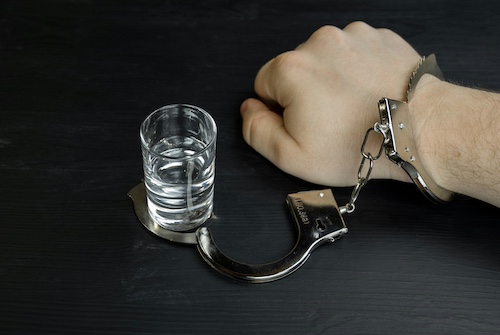
The Science Behind the Link Between Anxiety and Addiction
Anxiety and addiction are connected through shared brain chemistry, common risk factors, and patterns of behavior that reinforce each other over time.
Self-Medication and Substance Use
People with generalized anxiety disorder, social anxiety disorder, or panic disorder often turn to alcohol or drugs to handle stressful situations. Substances can temporarily reduce anxiety symptoms like intense fear, muscle tension, and panic attacks. Over time, the brain begins to rely on these substances to feel normal, increasing the risk of addiction.
How Substances Change the Brain
Drug abuse and alcohol use disrupt the brain’s ability to regulate mood and stress. As substance use continues, anxiety symptoms often grow worse, not better. Withdrawal symptoms, including sudden episodes of intense fear and chest pain, can mirror anxiety disorders, making it harder to identify and treat each condition separately.
Shared Risk Factors
Genetics, trauma, family history, and brain chemistry all play a role in both anxiety disorders and substance use disorders. A person with one condition carries a higher risk of developing the other. Up to 18% of people with drug addiction have a co-occurring anxiety disorder, according to DSM-5 criteria.
The Cycle That Drives Both Conditions
Anxiety increases drug cravings. Drug use worsens anxiety. Each condition feeds the other, accelerating dependence and making daily life harder to manage. Left untreated, co-occurring disorders raise the risk of relapse, depression, and other mental health conditions.
Symptoms and Impacts on a Person’s Life
Recognizing the symptoms of anxiety and addiction is the first step toward understanding how deeply these conditions affect a person’s life.
Anxiety Symptoms to Watch For
Anxiety disorders produce both physical and emotional symptoms. Common signs include persistent worry, intense fear, panic attacks, chest pain, muscle tension, irritability, and restlessness. Occasional anxiety is a normal part of life, but chronic symptoms that disrupt daily life may indicate a deeper anxiety disorder requiring professional help.
Addiction Symptoms to Watch For
Substance use disorder shows up through drug cravings, withdrawal symptoms, and building tolerance to alcohol or drugs. A person may feel unable to cope without substances and may experience behavioral changes like compulsive drug use and repeated relapse. These symptoms often overlap with anxiety symptoms, making an accurate diagnosis more difficult.
How Co-Occurring Disorders Affect Daily Life
When anxiety and addiction occur together, the impact spreads across every area of a person’s life. Relationships, work performance, and daily routines all suffer. Social situations become harder to manage, and isolation often follows. The longer both conditions go untreated, the more difficult recovery becomes.
Broader Health Consequences
Co-occurring anxiety and addiction raise the risk of depression, other mental health conditions, and chronic diseases. Substance abuse puts serious strain on physical health, and the mental burden of managing both disorders compounds the damage. Untreated co-occurring disorders represent a significant public health concern and can be life-threatening.

Why Integrated Dual Diagnosis Treatment is Essential
Treating anxiety and addiction together produces better outcomes than addressing either condition alone.
The Problem With Treating One Condition at a Time
When only addiction is treated, untreated anxiety often triggers relapse. When only anxiety is treated, ongoing substance use continues to worsen mental health conditions. Both conditions must be addressed at the same time for treatment to be effective and for recovery to last.
What Integrated Dual Diagnosis Treatment Involves
Dual diagnosis treatment combines mental health care and addiction recovery into one coordinated program. Evidence-based therapies such as cognitive-behavioral therapy (CBT) teach people how to cope with stress, manage drug cravings, and identify common triggers. Individual therapy builds practical coping skills, while family therapy strengthens the support system needed for long-term recovery.
Medications That Support Recovery
Certain medications can help reduce anxiety symptoms and support addiction recovery when prescribed carefully. High-risk options like benzodiazepines are generally avoided due to their potential for dependence. Medication-assisted treatment (MAT) is recommended for alcohol and opioid use disorders and is most effective when combined with therapy and structured treatment programs.
Preventing Relapse Through Dual Diagnosis Care
Relapse prevention is a core part of integrated treatment. People struggling with co-occurring disorders learn healthy ways to handle stressful situations, reduce anxiety, and prevent relapse without turning to substances. The National Institute on Drug Abuse supports integrated dual diagnosis treatment as the most effective approach for co-occurring disorders.
How Carolina Recovery Provides Effective Treatment and Addiction Recovery
Carolina Recovery delivers evidence-based, integrated addiction treatment for individuals and families across North Carolina, with a clear focus on lasting recovery from co-occurring anxiety and substance use disorders.
Dual Diagnosis Treatment Built for Co-Occurring Disorders
Carolina Recovery specializes in dual diagnosis treatment, addressing anxiety disorders and addiction together in one coordinated program. Each patient receives a fully individualized treatment plan built around their unique history, goals, and health needs. No two people experience addiction the same way, and Carolina Recovery’s clinical team treats each person accordingly.
Evidence-Based Therapies That Produce Results
Carolina Recovery uses proven behavioral therapies to help patients build coping skills, manage drug cravings, and prevent relapse. Treatment programs include cognitive-behavioral therapy (CBT), motivational interviewing, individual therapy, group therapy, and family therapy. These approaches help patients handle stressful situations, reduce anxiety symptoms, and build stronger support systems for life after treatment.
Medication-Assisted Treatment and Mental Health Support
For patients with alcohol or opioid use disorders, Carolina Recovery offers medication-assisted treatment (MAT) alongside mental health services. The clinical team manages medications carefully, avoiding high-risk options that could increase dependence. Integrated mental health support runs throughout every stage of the recovery process.
Multiple Levels of Care Across North Carolina
Carolina Recovery serves patients through outpatient services, intensive outpatient programs, and permanent inpatient care. Locations in Durham, Fayetteville, Raleigh, and Greenville, SC make quality addiction treatment accessible across the region. Patients can enter treatment through direct referral, physician recommendation, or by calling Carolina Recovery directly.
A Healing Environment Designed for Recovery
Carolina Recovery’s treatment facility provides private rooms, yoga and wellness programs, swimming pool and spa access, private chefs and nutritionists, equine and animal therapy, and spiritual counseling. The environment supports physical, emotional, and mental recovery from the first day of treatment. Patients focus entirely on healing in a space built for that purpose.
Insurance, Admissions, and Getting Started
Carolina Recovery accepts most major insurance providers and works directly with insurers to verify benefits before treatment begins. The admissions team guides every patient through the process from the first phone call, including insurance verification, placement in the right program, and preparation for day one. For those without insurance, private pay options are available. Cost should never be a reason to delay care.
Take the First Step Toward Recovery With Carolina Recovery!
Anxiety and addiction are treatable conditions, and recovery is possible with the right support. The team at Carolina Recovery is ready to help you or a loved one break the cycle, manage anxiety, and build a foundation for lasting recovery. From your first call, our clinical team will guide you through a free assessment, discuss your treatment options, and help you find the right program for your needs. Do not wait for things to get worse.
Contact us at (812) 408-8842 for a free consultation ASAP!